
DUI Insurance for High-Risk Drivers — Colorado
Free to compare
You're High-Risk the Moment IID Installs
You received a DUI conviction in Colorado. The court ordered ignition interlock installation. You called your current carrier for an SR-22 filing and they either declined to renew your policy or quoted a rate so high you assumed it was a mistake. It wasn't. Colorado's mandatory IID requirement for DUI offenses pushes you into the non-standard insurance tier before your actual driving record enters the equation. Standard-tier carriers — State Farm, Allstate, Farmers — either will not write new policies for active IID drivers or price them to force you elsewhere.
The structural blocker is not the DUI conviction itself. It's the combination of SR-22 filing requirement plus active ignition interlock device that standard carriers refuse to underwrite. You need a carrier that explicitly writes high-risk policies for drivers with court-ordered restrictions. Those carriers operate in the non-standard tier. Until you understand this tier reality, every quote you pull online will either fail to load or display rates that don't reflect what you'll actually pay when the carrier learns about the IID.
“Standard carriers decline IID drivers at the quote stage. Non-standard carriers price for it from the first calculation.”

See Who Insures Colorado Drivers After a DUI
Get My Colorado DUI Insurance Quote3 years
Colorado SR-22 Filing Period
Colorado requires continuous SR-22 filing for three years following DUI conviction. Any lapse in coverage during this period triggers automatic suspension and restarts the three-year clock from the date you refile.
Colorado DMV reinstatement regulations
What High-Risk Actually Means in Colorado
High-risk designation in insurance underwriting means the carrier assumes elevated claims probability based on your violation history and current restrictions. Colorado DUI convictions carry this designation automatically. The SR-22 filing itself signals to all carriers that the state has determined you require financial responsibility monitoring. Adding ignition interlock to that profile moves you from elevated-risk within the standard market to non-standard-only.
Non-standard carriers price for this risk tier from the start. They build DUI, SR-22, and IID handling into their base underwriting models. Progressive, Geico, The General, Bristol West, Dairyland, National General, and Infinity all write non-standard Colorado auto policies and file SR-22s electronically with the Colorado DMV. Standard carriers like USAA or Amica either exclude active IID drivers from new-policy eligibility or route them to affiliated non-standard subsidiaries under different brand names.
The tier distinction matters because it determines which carriers will quote you at all, not just what rate they'll charge. Calling ten carriers and getting nine declinations is a tier mismatch problem, not a rate-shopping problem. You need to start with carriers that explicitly list SR-22 and post-DUI as products they write.

Standard carriers decline active IID drivers at the quote stage. Non-standard carriers price for IID from the first premium calculation. Shop the correct tier or you're wasting calls.






The IID Surcharge No One Quotes Online
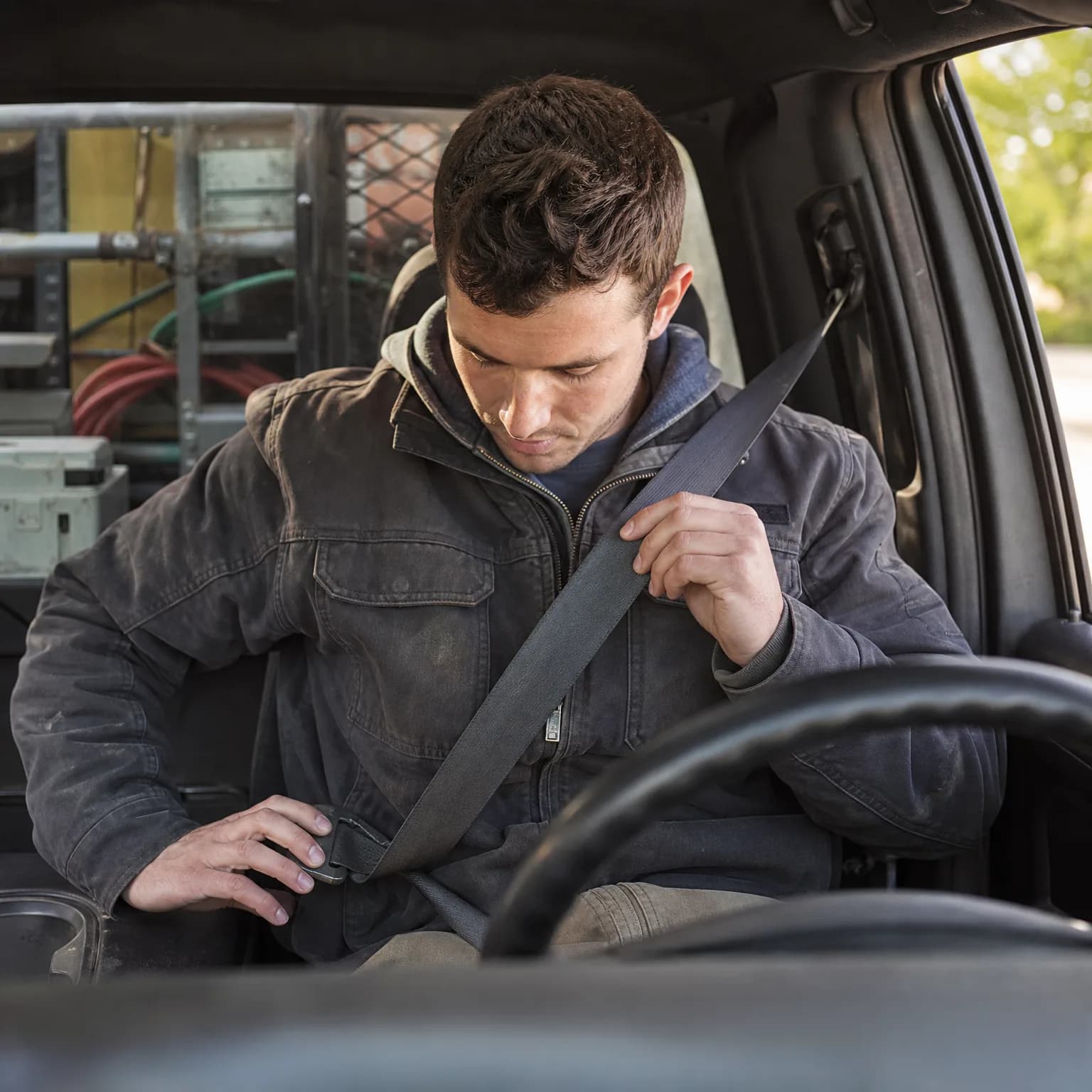
Online quote tools ask about violations. They do not ask about ignition interlock devices. This creates a quote-to-bind mismatch. You enter your DUI conviction, receive a monthly premium estimate, begin the application, and the rate jumps when the underwriting questionnaire asks about court-ordered restrictions. That jump is the IID surcharge.
Non-standard carriers apply this surcharge because the device signals active compliance monitoring. The surcharge is not published on rate sheets. It varies by carrier and by how long you've had the device installed without violations. Expect the online quote to understate your actual premium until you reach the underwriting stage. Get to the underwriting questions before you assume the rate is real.
The surcharge drops once you complete the IID requirement and file proof of removal with the court and DMV. At that point you're still in the SR-22 filing period but no longer under active device restriction. Some carriers will re-rate you at that milestone; others wait until your SR-22 period ends. Call your carrier the day your IID is removed and ask whether they re-rate mid-term for device completion.
$95
Colorado Reinstatement Fee
After completing your suspension period and satisfying all DUI requirements — SR-22 filing, IID installation, alcohol education courses, and any court-ordered conditions — you pay a $95 reinstatement fee to the Colorado DMV to restore your license.
Colorado DMV fee schedule
Non-Owner SR-22 When You Sold the Car
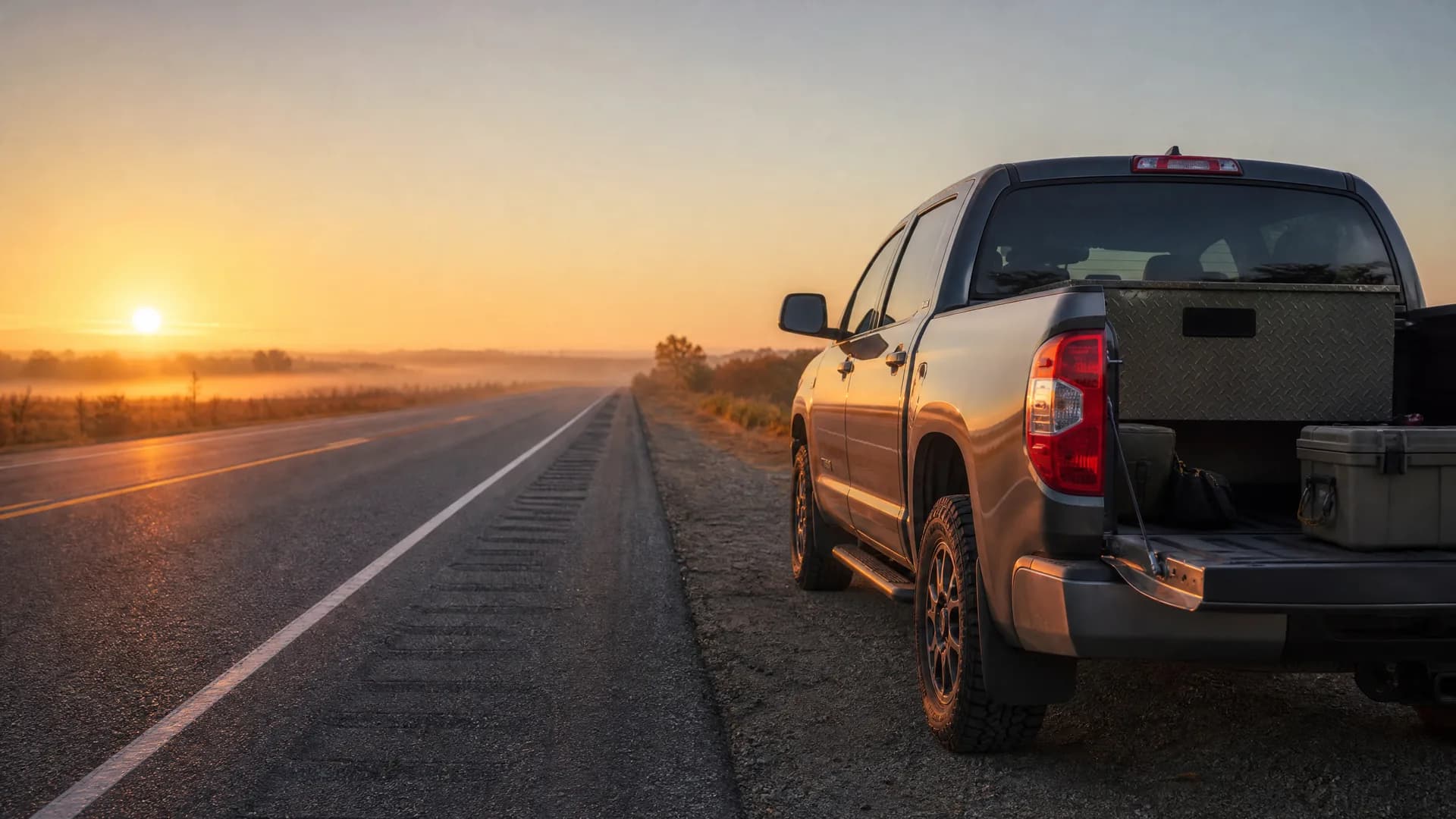
You do not need to own a vehicle to satisfy Colorado's SR-22 requirement. If you sold your car after the DUI, cannot afford to keep it insured, or never owned one, a non-owner SR-22 policy meets the state's financial responsibility mandate. The policy provides liability coverage when you drive a borrowed or rented vehicle. It does not cover a vehicle you own or regularly use.
Non-owner policies cost less than standard owner-operator policies because they carry lower claims risk. You're only covered when you occasionally drive someone else's car. Colorado requires the same liability minimums on non-owner policies as owner policies: $25,000 per person bodily injury, $50,000 per accident bodily injury, $15,000 property damage. The SR-22 filing fee is the same whether you file on an owner or non-owner policy. Carriers that write non-owner SR-22 in Colorado include Progressive, Geico, Dairyland, The General, National General, and Infinity.
What Happens When Your SR-22 Lapses
The SR-22 filing is a continuous-coverage monitor. If your policy cancels for non-payment, if you intentionally cancel it, or if your carrier non-renews you and you do not immediately replace coverage, the carrier notifies the Colorado DMV electronically within days. The DMV suspends your license automatically. You do not receive a grace period.
Reinstating after an SR-22 lapse requires filing a new SR-22 with a new or reinstated policy, paying a reinstatement fee, and restarting your three-year SR-22 clock from the date of the new filing. A one-month lapse two years into your SR-22 period costs you two years of progress. Avoid lapses by setting up automatic payment and monitoring your bank account to ensure the payment clears each month. If you know you cannot afford the next premium, call your carrier immediately to discuss payment plans rather than letting the policy cancel.
Some carriers offer lapse forgiveness programs for first-time lapses under 30 days if you reinstate with them and pay a reinstatement fee. This is not guaranteed. Do not rely on forgiveness as a strategy. Maintain continuous coverage for the full three years or accept that you will restart the clock.

Compare Carriers That Write Your Tier
You need quotes from at least three non-standard carriers to see the actual rate range for your situation. Start with Progressive, Geico, and The General if you own a vehicle. If you need non-owner SR-22, quote Progressive, Geico, and Dairyland. All three allow online quoting and file SR-22 electronically with Colorado DMV. Provide accurate information about your DUI conviction date, your IID installation date, and any other moving violations in the past three years. Understating your violation history to get a lower quote results in policy rescission when the carrier pulls your MVR.
When you receive quotes, confirm the policy includes SR-22 filing and verify the carrier has noted your IID requirement. Ask whether the quoted rate is the bind rate or whether it will change during underwriting. Get a written quote summary before you pay the first premium. Once you select a carrier and bind coverage, the carrier files your SR-22 with the DMV within one to three business days. You can verify the filing by calling the Colorado DMV or checking your driver record online through the myDMV portal at mydmv.colorado.gov.
Which Carriers Write Colorado DUI Policies
Progressive, Geico, The General, and Bristol West all write standard owner-operator policies with SR-22 for Colorado DUI convictions. Progressive and Geico also write non-owner SR-22 policies if you sold your vehicle or never owned one. The General writes non-owner SR-22 but requires you to apply by phone rather than online. Bristol West operates broker-only in Colorado — you cannot quote directly on their site, you must go through an independent agent who contracts with them.
Dairyland, National General, and Infinity write post-DUI Colorado policies and file SR-22 electronically. All three write non-owner SR-22. Dairyland allows online quoting for non-owner policies. National General and Infinity route most non-owner quotes through agents. State Farm writes SR-22 for existing Colorado customers but typically non-renews DUI drivers at the next policy term. USAA writes SR-22 for eligible members but does not write new policies for active IID drivers — you must already hold a USAA policy at the time of conviction.
Get Your Free Quote
Get My Colorado DUI Insurance QuoteFrequently Asked Questions
Do I need SR-22 insurance after a DUI in Colorado?
Yes. Colorado requires SR-22 filing for three years following a DUI conviction. The filing is a continuous-coverage certificate your insurance carrier submits to the Colorado DMV. You cannot reinstate your license without it.
Can I get car insurance with an ignition interlock device in Colorado?
Yes, but only from non-standard carriers. Progressive, Geico, The General, Bristol West, Dairyland, National General, and Infinity all write policies for Colorado drivers with active IID requirements. Standard-tier carriers typically decline new policies for active IID drivers.
How much does SR-22 insurance cost after a DUI in Colorado?
SR-22 filing itself costs a one-time fee set by your carrier. Your premium depends on your violation history, age, vehicle, coverage limits, and whether you have an active ignition interlock device. Non-standard carriers apply an IID surcharge not visible in online quotes until you reach underwriting.
What happens if my SR-22 insurance lapses in Colorado?
The Colorado DMV suspends your license automatically when your carrier reports the lapse. Reinstating requires filing a new SR-22, paying a $95 reinstatement fee, and restarting your three-year SR-22 period from the new filing date. A lapse erases all prior time served.
Can I get non-owner SR-22 insurance in Colorado after a DUI?
Yes. Non-owner SR-22 policies meet Colorado's financial responsibility requirement if you do not own a vehicle. Progressive, Geico, Dairyland, The General, National General, and Infinity all write non-owner SR-22 for Colorado DUI convictions. The policy provides liability coverage when you drive borrowed or rented vehicles.
How long does the ignition interlock requirement last in Colorado?
Colorado law requires ignition interlock for a minimum period set by the court based on your offense. First DUI offenses typically require 8 months to 2 years. Second or subsequent offenses require 2 years or longer. Once you complete the required period and file proof of removal with the DMV, the IID surcharge on your insurance may drop.
Do all insurance companies in Colorado file SR-22 electronically?
Most do. Progressive, Geico, State Farm, The General, Bristol West, Dairyland, National General, and Infinity all file SR-22 electronically with the Colorado DMV. Electronic filing typically processes within one to three business days. Paper filings take longer and increase the risk of processing delays that could trigger a suspension.