
DUI Insurance — Colorado
Free to compare
You Cannot Apply for Early Reinstatement Without SR-22 on File
Your Colorado DUI suspension blocks your license for 9 months minimum on a first offense — longer if you refused the breathalyzer or have prior alcohol convictions. The DMV will not process your application for an Early Reinstatement / Probationary License until SR-22 insurance is already filed with the state. Most drivers call the DMV first, learn they need SR-22, then try to get it — burning days or weeks they could have spent moving through the application queue.
Colorado's Early Reinstatement program allows you to drive under strict restriction (work, school, medical, court-ordered programs, ignition interlock service appointments) during your suspension period. To qualify, you need proof of SR-22 insurance on file, an ignition interlock device installed in any vehicle you will operate, completion of required alcohol education (Level II or higher), and payment of the $95 reinstatement fee. The SR-22 filing is the first step — without it, the DMV cannot verify your financial responsibility and will not approve restricted driving privileges.
“The DMV will not process Early Reinstatement applications until SR-22 insurance is already filed — most drivers lose weeks by calling the DMV first.”

See Who Insures Colorado Drivers After a DUI
Get My Colorado DUI Insurance Quote3 years
Colorado SR-22 Filing Period
Colorado requires continuous SR-22 insurance for 3 years following a DUI conviction, measured from the date the SR-22 is filed with the DMV, not from your conviction date. If your SR-22 lapses at any point during the 3-year window, the DMV suspends your license again immediately and you start the 3-year clock over from the new filing date.
Colorado DMV reinstatement regulations
SR-22 Is a Proof-of-Insurance Filing, Not a Policy Type
SR-22 is not a separate kind of insurance. It is a state-mandated certificate your insurance carrier files electronically with the Colorado DMV proving you carry liability coverage at or above Colorado's minimum limits: $25,000 bodily injury per person, $50,000 bodily injury per accident, $15,000 property damage. Most carriers charge a one-time filing fee between $15 and $50 to process the SR-22 certificate; some charge annually. The filing itself takes 1-3 business days to appear in the DMV's system once your carrier submits it.
You can add SR-22 filing to an existing auto policy if you own a vehicle, or purchase a non-owner SR-22 policy if you do not currently own or drive a car. Non-owner SR-22 satisfies Colorado's proof-of-insurance requirement for reinstatement and allows you to legally drive any vehicle you do not own (rental cars, employer vehicles, family member's car with their permission) once your probationary license is approved. Many suspended drivers choose non-owner policies specifically to meet the SR-22 requirement without committing to full vehicle coverage while their driving privileges remain restricted.
If your carrier cancels your policy or you cancel voluntarily during the 3-year SR-22 period, the DMV suspends your license the same day the cancellation hits their system.






Ignition Interlock Device Is Mandatory for All DUI Early Reinstatements
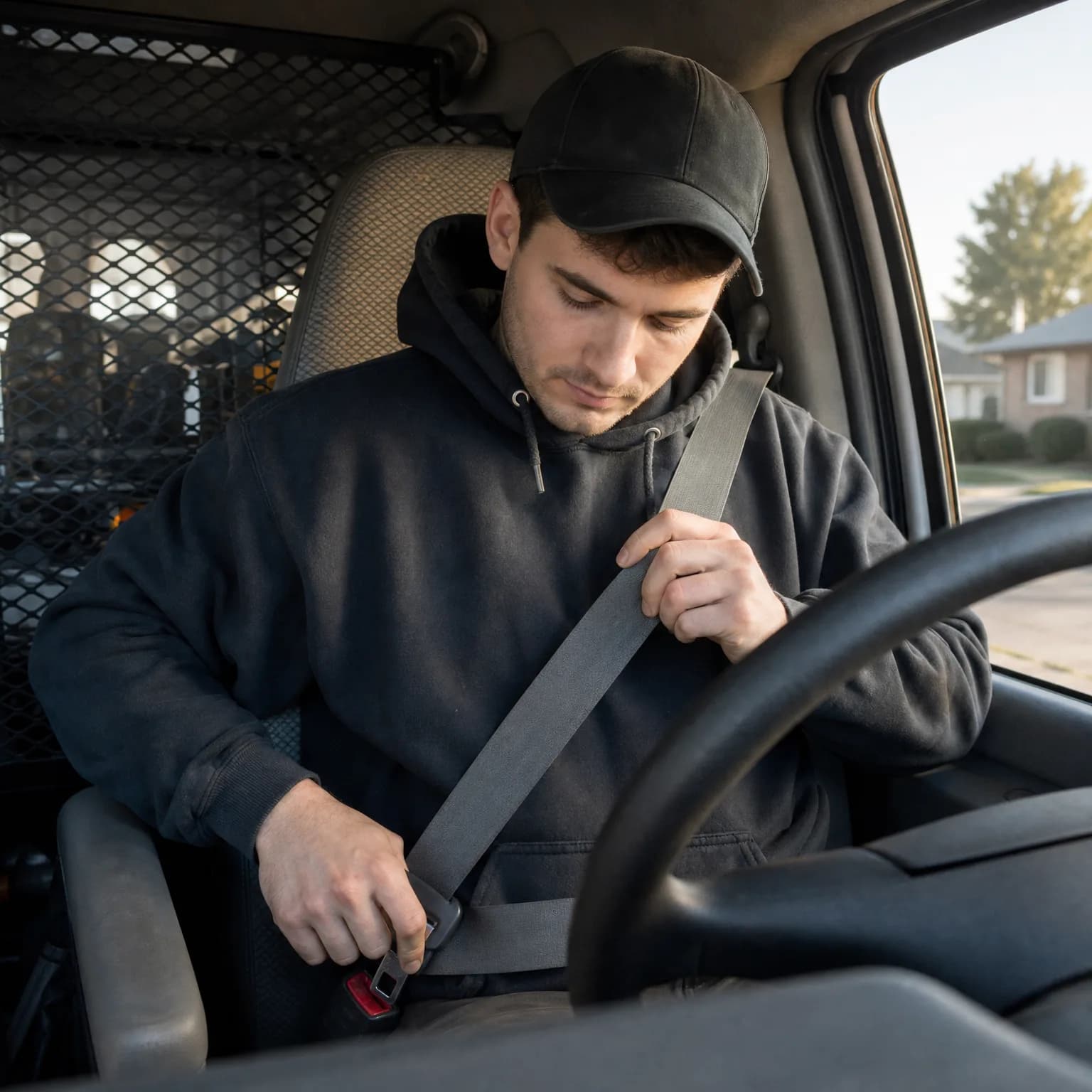
Colorado law requires installation of an approved ignition interlock device in any vehicle you will operate during your Early Reinstatement period. The IID requirement applies even to first-offense DUI cases with no prior alcohol violations. You cannot drive legally on a probationary license without an IID installed, and the DMV will not approve your Early Reinstatement application unless you provide proof of IID installation from a state-approved vendor.
Approved IID vendors in Colorado include Intoxalock, LifeSafer, Smart Start, and Guardian Interlock. Installation costs typically range from $75 to $150, with monthly monitoring and calibration fees between $60 and $90. You pay these costs directly to the vendor; they are not covered by your SR-22 insurance policy. After installation, the vendor provides a certificate of installation which you submit to the DMV along with your SR-22 proof of insurance, completion certificate from your Level II alcohol education program, and the $95 reinstatement fee.
If you are designated a persistent drunk driver — two or more alcohol-related driving offenses within your lifetime — Colorado law requires a minimum two-year IID period regardless of your suspension length. Standard first-offense cases require IID for the duration of your Early Reinstatement probationary period, which varies based on your specific suspension term and whether you complete all requirements without violations.
$95
Colorado Reinstatement Fee
The base reinstatement fee for uninsured motorist suspensions and standard alcohol-related suspensions is $95, paid to the Colorado DMV at the time you apply for Early Reinstatement or full license reinstatement after your suspension period ends. Additional fees apply if you have unpaid tickets, court fines, or failure-to-pay violations on your record.
Colorado Revised Statutes § 42-2-132

What Happens If You Drive Without SR-22 During Suspension
Driving on a suspended license in Colorado is a Class 2 misdemeanor traffic offense carrying fines up to $300, possible jail time up to 90 days, and an additional suspension period added to your existing suspension. If you are stopped and cannot provide proof of valid SR-22 insurance, the charge escalates to driving without insurance — a separate Class 1 misdemeanor traffic offense with fines up to $500 and up to one year in jail for repeat violations.
Colorado law enforcement has real-time access to DMV suspension records. If an officer runs your license during a traffic stop and sees an active suspension, you will be cited regardless of the reason for the stop. Many drivers assume they can drive carefully and avoid enforcement — county sheriffs and municipal police actively patrol for suspended drivers, and even minor infractions (broken taillight, rolling a stop sign, expired registration) trigger the license check that reveals the suspension.
Compare SR-22 Carriers and Start Your Filing Today
The sooner you file SR-22 with the DMV, the sooner you become eligible for Early Reinstatement. Waiting to file delays your probationary license application by however many days you wait — the DMV does not backdate SR-22 filing to your conviction date or suspension date. Get quotes from multiple carriers, bind the policy that fits your budget, confirm SR-22 filing within 48 hours, and begin the ignition interlock installation and alcohol education requirements immediately. Every day your SR-22 is on file moves you one day closer to restricted driving privileges and one day closer to the end of your 3-year filing obligation.
How to Get SR-22 Insurance After a Colorado DUI
Start by calling carriers that specialize in high-risk or post-DUI coverage: Progressive, GEICO, State Farm, The General, Dairyland, Bristol West, National General, and Infinity all write SR-22 policies in Colorado. Request quotes for liability coverage at Colorado's minimum limits or higher if you own a financed vehicle requiring comprehensive and collision. When you accept the quote and bind the policy, tell the carrier you need SR-22 filing — they submit the certificate to the DMV electronically within 24-48 hours in most cases. Verify the filing date with the carrier and confirm it appears in the DMV system before you schedule your ignition interlock installation or submit your Early Reinstatement application.
If you do not own a vehicle, request a non-owner SR-22 policy. Non-owner policies cost significantly less than standard policies because they cover liability only when you drive a vehicle you do not own — no collision, no comprehensive, no coverage for a vehicle titled in your name. Typical monthly premiums for non-owner SR-22 in Colorado range from $40 to $85 depending on your county, age, and how recently your DUI occurred. Carriers process non-owner SR-22 filings the same way they process standard SR-22 filings; the DMV does not distinguish between the two for reinstatement purposes.
Get Your Free Quote
Get My Colorado DUI Insurance QuoteFrequently Asked Questions
How much does SR-22 insurance cost in Colorado after a DUI?
SR-22 filing fees range from $15 to $50 as a one-time or annual charge. Monthly premiums for liability coverage with SR-22 filing typically range from $85 to $180 depending on your age, county, and how recently your DUI occurred. Non-owner SR-22 policies cost less — approximately $40 to $85 per month — because they cover liability only when driving vehicles you do not own.
Can I get SR-22 insurance without owning a car in Colorado?
Yes. Non-owner SR-22 policies satisfy Colorado's proof-of-insurance requirement for reinstatement even if you do not own or drive a vehicle. Non-owner policies cover liability when you drive cars you do not own — rentals, employer vehicles, or family members' cars. The DMV accepts non-owner SR-22 filings for Early Reinstatement applications the same way it accepts standard SR-22 filings.
How long does SR-22 filing take to show up in the Colorado DMV system?
Most carriers submit SR-22 certificates electronically to the Colorado DMV within 24 to 48 hours after you bind your policy and request the filing. The filing typically appears in the DMV's system within 1 to 3 business days. Call the DMV or check your myDMV account online to verify the SR-22 is on file before scheduling ignition interlock installation or submitting your Early Reinstatement application.
What happens if my SR-22 insurance lapses during the 3-year period in Colorado?
If your carrier cancels your policy or you cancel voluntarily, the carrier notifies the Colorado DMV electronically the same day. The DMV suspends your license immediately — you receive no grace period. You must purchase a new SR-22 policy, file a new SR-22 certificate, and pay a reinstatement fee to restore your driving privileges. The 3-year SR-22 clock resets from the date of the new filing.
Do I need SR-22 insurance for the entire suspension period in Colorado?
Colorado requires SR-22 insurance for 3 years following a DUI conviction, measured from the date you file SR-22 with the DMV. This period runs concurrently with your suspension and continues after your full license is reinstated. You must maintain continuous SR-22 coverage for the full 3 years even after your driving privileges are restored or your probationary period ends.
Can I apply for Early Reinstatement in Colorado without SR-22 insurance?
No. The Colorado DMV will not process your Early Reinstatement application unless SR-22 proof of insurance is already on file in their system. SR-22 filing is a prerequisite for probationary license approval, along with ignition interlock device installation, completion of required alcohol education, and payment of the $95 reinstatement fee.