
DUI Insurance Without Prior Coverage — Colorado
Free to compare
SR-22 Filing When You've Never Been Insured
You were arrested for DUI in Colorado. You didn't have insurance at the time of arrest, and you haven't carried a policy in years — maybe ever. Now DMV suspended your license and reinstatement paperwork says you need SR-22 proof of insurance. The confusion is structural: how do you prove continuous coverage when you've never had coverage to begin with?
Colorado does not require prior insurance history to file SR-22. The SR-22 is a certificate your carrier sends DMV proving you now meet state liability minimums — $25,000 per person, $50,000 per accident, $15,000 property damage. Carriers writing non-standard auto in Colorado will issue new policies with SR-22 filing to first-time insureds. The gap in your coverage history becomes an underwriting factor, not a disqualifier.
“The gap between arrest and policy effective date extends your SR-22 period — carriers won't backdate coverage to fill it.”
See Who Insures Colorado Drivers After a DUI
Get My Colorado DUI Insurance Quote$95
Colorado DUI Reinstatement Fee
Colorado DMV charges $95 to reinstate a DUI-suspended license after you've completed all court requirements and maintained SR-22 filing for the required period. This fee is separate from any court fines, IID costs, or insurance premiums.
Colorado DMV reinstatement fee schedule, C.R.S. § 42-2-132
Why Carriers Separate Coverage History From Violation History
Colorado requires SR-22 filing for 3 years after DUI conviction. That filing proves you maintain liability coverage continuously during the required period. Carriers evaluate two risk factors independently: your DUI violation and your lack of prior insurance history.
The DUI moves you into the non-standard tier. Lack of prior coverage signals you are a first-time insured, which carriers treat as higher risk regardless of driving record. Clean-record first-time drivers pay more than drivers with 10 years of continuous coverage. A DUI plus no prior coverage stacks both surcharges.
This is not penalty stacking — it is dual-axis underwriting. One axis measures violation risk. The other measures coverage-lapse risk. You trigger both. The premium reflects both. Carriers writing your profile include Geico, Progressive, National General, Bristol West, Dairyland, The General, and Infinity — all active in Colorado and all willing to file SR-22 for first-time insureds post-DUI.
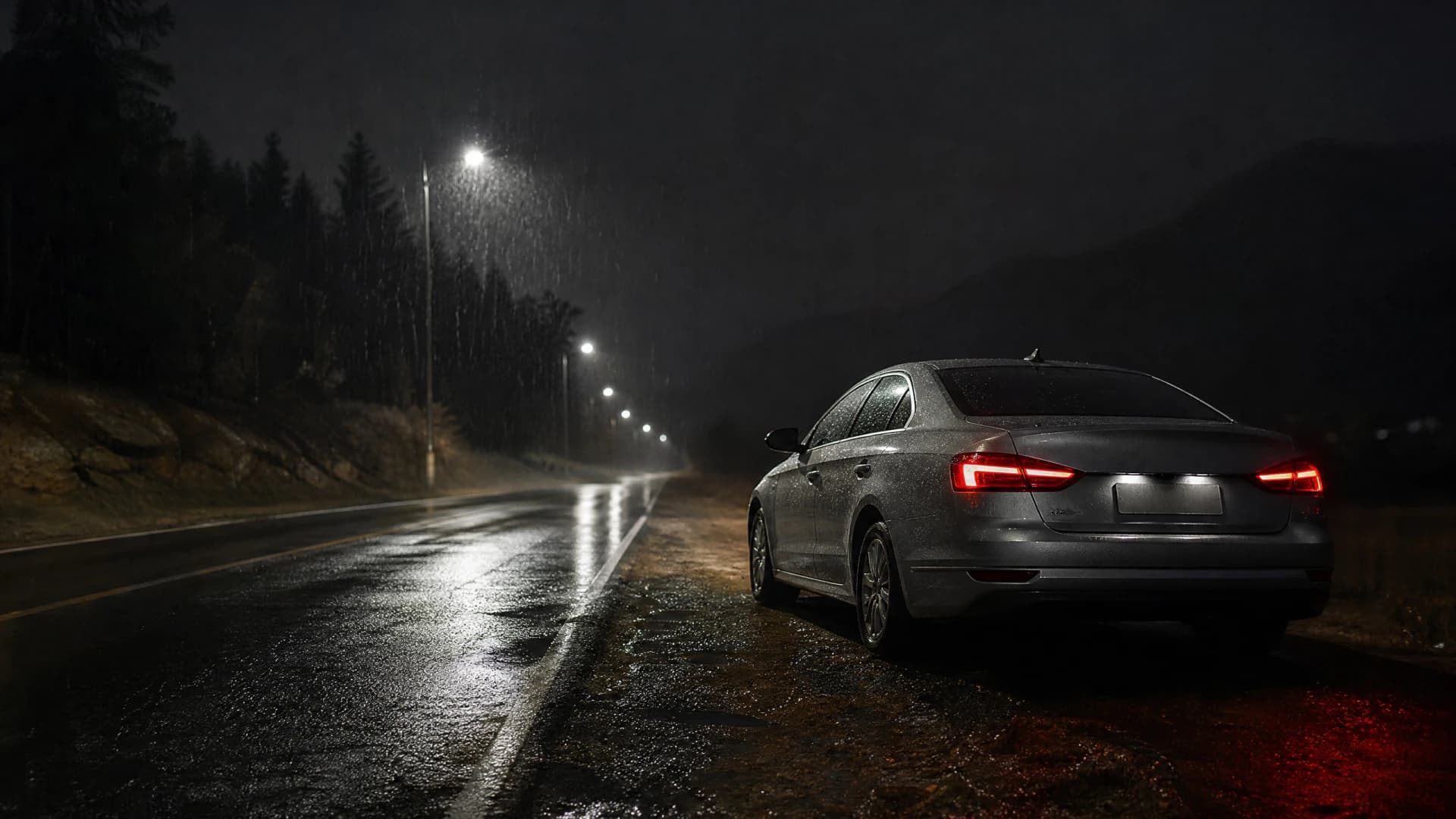
The gap between your arrest date and your policy effective date extends your total SR-22 filing period — Colorado counts 3 years from conviction, but carriers will not backdate coverage to fill the gap.




Early Reinstatement and Ignition Interlock Requirements
Colorado offers Early Reinstatement with an Interlock Restricted License under C.R.S. § 42-2-132.5. This is not a hardship license — it is probationary reinstatement that allows you to drive legally before the full suspension period ends, provided you install an ignition interlock device and maintain SR-22 coverage.
For DUI-related suspensions, early reinstatement with IID is available essentially from the start of the revocation period. Colorado does not impose a mandatory hard suspension period before IID-based restricted driving becomes available for a first offense. You apply through DMV, prove SR-22 filing, install an approved IID, and pay applicable fees. The IID requirement typically lasts the duration of your SR-22 period.
If you refuse chemical testing at arrest, Colorado's Express Consent law triggers a separate DMV administrative revocation — 1 year for first refusal. This runs parallel to any court-ordered suspension from the DUI conviction itself. Both tracks require SR-22 filing. Both can qualify for early reinstatement with IID, but refusal cases face longer administrative timelines before reinstatement is available.
3 years
Colorado SR-22 Filing Duration
Colorado requires SR-22 filing for 3 years after DUI conviction, measured from the conviction date. Any lapse in coverage during this period triggers immediate license suspension and restarts the 3-year clock from the date you refile.
C.R.S. § 42-7-411
Non-Owner SR-22 if You Don't Own a Vehicle
If you do not own a vehicle — you sold it, lost it in the arrest, or never owned one — you still need SR-22 to reinstate your Colorado license. Non-owner SR-22 policies cover liability when you drive vehicles you do not own: borrowed cars, rental cars, employer vehicles for work purposes.
Non-owner policies cost less than standard policies because they exclude physical damage coverage and carry lower risk exposure. Carriers writing non-owner SR-22 in Colorado include Geico, Progressive, Dairyland, The General, and USAA for eligible members. The SR-22 filing process is identical — the carrier files electronically with DMV once the policy is active. The 3-year filing requirement applies regardless of whether you own a vehicle.
Start the SR-22 Filing Process Now
Colorado DMV will not reinstate your license until SR-22 is on file and all court requirements are complete. Waiting extends your suspension and delays any early reinstatement options. Carriers that write first-time insureds with DUI convictions are available now — the dual-tier pricing is a function of your underwriting profile, not a barrier to coverage. Compare carriers writing your profile in Colorado, request SR-22 filing explicitly when you apply, and confirm the carrier files electronically with DMV within 5 business days of policy activation. Every day without SR-22 on file is a day your reinstatement clock has not started.
What You Need to File SR-22 in Colorado
Apply for a liability policy with a carrier writing non-standard auto in Colorado. Provide your driver's license number, DUI conviction details, and current address. Tell the carrier you need SR-22 filing — some will add it automatically based on your license status; others require you to request it explicitly. The carrier charges a one-time filing fee set by the carrier and state, typically under $50, separate from your premium.
Once the policy is active, the carrier files SR-22 electronically with Colorado DMV within 1-5 business days. DMV does not confirm receipt to you directly — the filing appears on your driving record, which you can check through Colorado's online driver record portal. Your policy must remain active without lapse for the full 3-year SR-22 period. If you cancel or miss a payment, the carrier notifies DMV within 24 hours and DMV suspends your license again.
Get Your Free Quote
Get My Colorado DUI Insurance QuoteFrequently Asked Questions
Can I get SR-22 insurance in Colorado if I've never had car insurance before?
Yes. Colorado carriers writing non-standard auto will issue new policies with SR-22 filing to first-time insureds. Your lack of prior coverage history affects pricing but does not disqualify you. Carriers evaluate the DUI and the coverage gap as separate underwriting factors.
How long does it take for SR-22 to be filed with Colorado DMV?
Carriers file SR-22 electronically with Colorado DMV within 1-5 business days after your policy becomes active. DMV does not confirm receipt directly to you — check your driving record online through Colorado's driver record portal to verify filing.
What happens if I cancel my SR-22 policy before 3 years in Colorado?
The carrier notifies Colorado DMV within 24 hours of cancellation or lapse. DMV suspends your license immediately and the 3-year SR-22 filing requirement restarts from the date you refile with a new carrier.
Do I need SR-22 if I don't own a car in Colorado?
Yes. Colorado requires SR-22 to reinstate your license regardless of vehicle ownership. Non-owner SR-22 policies cover liability when you drive vehicles you do not own and satisfy the state's filing requirement.
Does Colorado SR-22 filing start from my arrest date or conviction date?
The 3-year SR-22 filing period in Colorado is measured from your conviction date, not your arrest date. Delays between arrest and conviction extend the total time you need coverage, and carriers will not backdate policies to cover the gap.
Can I get early reinstatement in Colorado after a DUI without prior insurance?
Yes. Colorado's Early Reinstatement / Interlock Restricted License program under C.R.S. § 42-2-132.5 requires SR-22 filing and ignition interlock installation. Lack of prior insurance history does not disqualify you — you must prove current SR-22 coverage to apply.