
Non-Owner SR-22 After DUI — Colorado
Free to compare
You Don't Own a Car But Colorado Still Requires SR-22
You lost your license after a DUI and sold your car to cover legal fees or because you can't drive it anyway. Now you're navigating Colorado's Early Reinstatement program and the DMV paperwork says you need SR-22 insurance to get your Interlock Restricted License. The confusion is immediate: how do you insure a car you don't own?
Non-owner SR-22 policies solve this exact problem. They provide the state-mandated liability coverage and SR-22 filing without requiring you to own or register a vehicle. Colorado accepts non-owner SR-22 for Early Reinstatement eligibility, and carriers writing in the state offer these policies specifically for suspended drivers working toward reinstatement.
“Non-owner SR-22 premiums for the same driver can vary $40–$80/month between Colorado carriers — both satisfy the DMV's requirement equally.”

See Who Insures Colorado Drivers After a DUI
Get My Colorado DUI Insurance Quote$30–$50/mo
Colorado Non-Owner SR-22 Premium
Non-owner policies cost significantly less than standard coverage because they exclude collision and comprehensive — you're insuring liability risk only when you borrow or rent a vehicle. Actual rates depend on your county, age, and DUI conviction date.
Estimates based on Colorado non-standard carrier filings; individual rates vary.
What Non-Owner SR-22 Actually Covers in Colorado
A non-owner SR-22 policy provides Colorado's minimum liability limits: $25,000 bodily injury per person, $50,000 per accident, $15,000 property damage. It covers you when you drive a vehicle you don't own — a borrowed car, a rental, or a friend's vehicle. The SR-22 certificate attached to the policy proves to the Colorado DMV that you're maintaining continuous coverage.
The policy does not cover a vehicle titled in your name. If you own a car, even one sitting undriven in a driveway, you need a standard SR-22 policy with that vehicle listed. Non-owner policies are strictly for drivers who do not own, lease, or have regular access to a vehicle registered in their household.
Colorado's Early Reinstatement program requires proof of insurance before the DMV will issue an Interlock Restricted License. The non-owner SR-22 satisfies this requirement without forcing you to maintain coverage on a vehicle you no longer have.
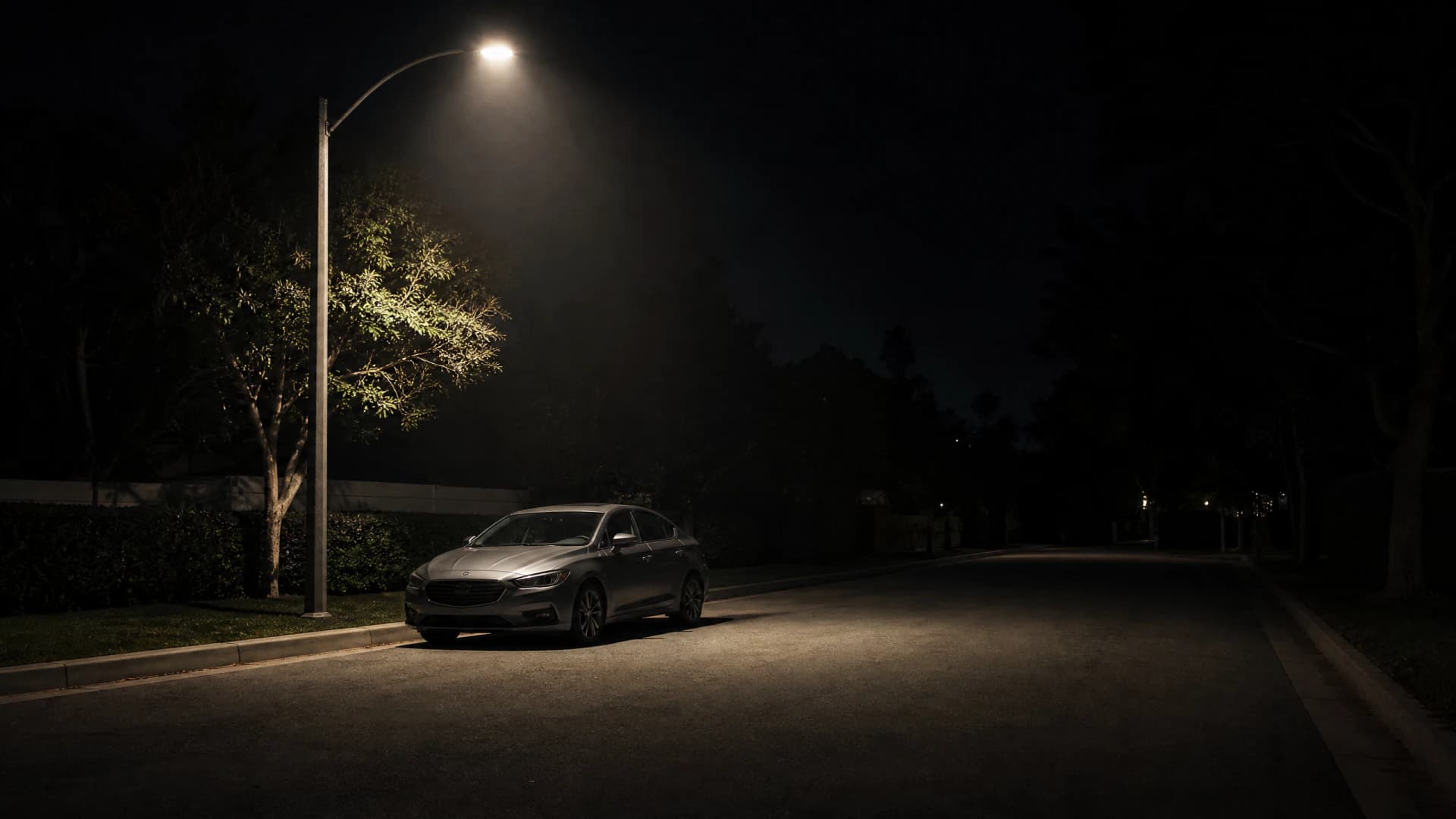
If you let non-owner SR-22 lapse during Colorado's mandatory 3-year filing period, the DMV suspends your license again immediately — even if you're compliant with IID requirements.

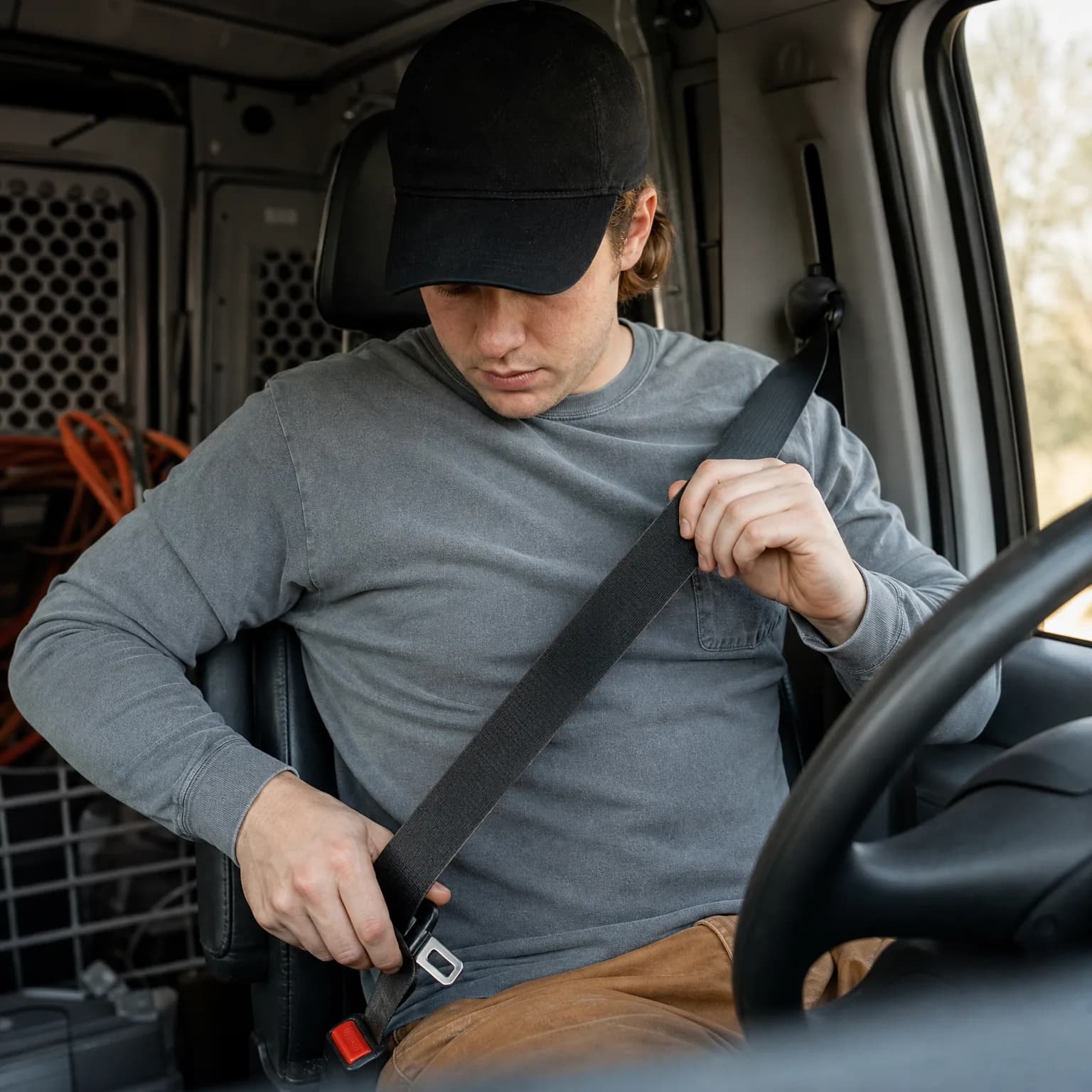

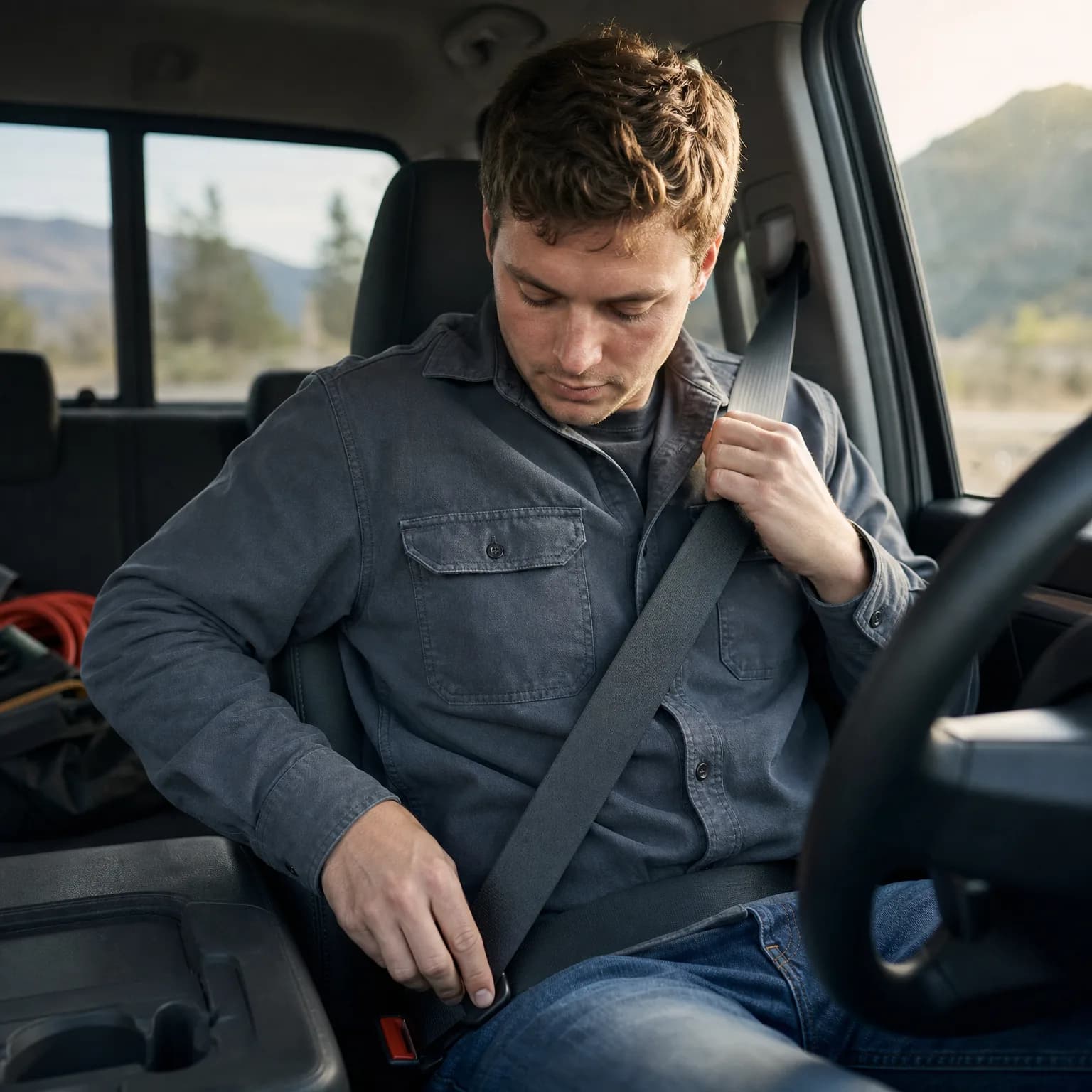
Non-Owner SR-22 and Colorado's Ignition Interlock Requirement
Colorado requires ignition interlock devices for all DUI-related Early Reinstatement cases under C.R.S. § 42-2-132.5. The IID requirement runs parallel to SR-22 — you need both to drive legally during suspension. Non-owner SR-22 satisfies the insurance filing requirement; the IID satisfies the alcohol-monitoring requirement.
If you don't own a car, you still need an IID installed in any vehicle you intend to drive regularly under your Interlock Restricted License. Most drivers in this situation arrange IID installation in a family member's or employer's vehicle, with written consent from the vehicle owner. The IID vendor provides proof of installation to the DMV as part of your Early Reinstatement application.
Carriers writing non-owner SR-22 do not require proof of IID installation to issue the policy. The DMV checks IID compliance separately when you apply for the Interlock Restricted License. Your insurance carrier and your IID vendor operate independently — neither gates the other.
3 years
Colorado SR-22 Filing Period
Colorado requires continuous SR-22 filing for 3 years following a DUI conviction. The period starts from your conviction date, not your filing date. If you file SR-22 two months after conviction, you still owe 3 years from conviction — meaning 2 years and 10 months of actual coverage post-filing.
C.R.S. § 42-7-411; Colorado Division of Motor Vehicles reinstatement requirements.

Which Carriers Write Lowest Non-Owner SR-22 Rates in Colorado
Non-standard carriers dominate non-owner SR-22 pricing because they specialize in high-risk drivers. Progressive, The General, Bristol West, and Dairyland consistently quote competitive non-owner SR-22 premiums for Colorado DUI suspensions. GEICO writes non-owner SR-22 but typically prices higher for recent DUI convictions. State Farm writes SR-22 but does not offer non-owner policies in Colorado.
Rates vary significantly by county. Drivers in Denver, Aurora, and Colorado Springs face higher premiums due to population density and accident rates. Rural counties — Garfield, La Plata, Weld — typically see lower non-owner SR-22 premiums. Your age and the date of your DUI conviction also affect pricing: convictions within the past 12 months carry the highest surcharges.
Compare Non-Owner SR-22 Carriers Before You File
Non-owner SR-22 premiums for the same driver can vary $40–$80/month between carriers writing in Colorado. Progressive may quote $35/month while Bristol West quotes $75/month for identical coverage — both satisfy the DMV's SR-22 requirement equally. The difference is underwriting risk models, not coverage quality.
Request quotes from at least three carriers before you commit. Provide your driver's license number, DUI conviction date, and zip code. Carriers pull your MVR and return a monthly premium within 24–48 hours. Compare the monthly cost, the SR-22 filing fee (typically $15–$50 one-time), and whether the carrier requires upfront payment or offers monthly billing. Once you select a carrier and pay the first premium, SR-22 filing happens electronically and your reinstatement pathway opens.
How to Get Non-Owner SR-22 Filed With Colorado DMV
Apply for a non-owner SR-22 policy with a carrier licensed to write in Colorado. Progressive, GEICO, The General, Dairyland, and Bristol West all write non-owner SR-22 policies for DUI suspensions. You'll provide your driver's license number, DUI conviction date, and current address. The carrier pulls your driving record and quotes a monthly premium based on your risk profile.
Once you pay the first month's premium, the carrier files the SR-22 certificate electronically with the Colorado DMV within 1–3 business days. You receive a copy of the SR-22 form for your records. The DMV processes the filing and updates your reinstatement eligibility status. You can then proceed with the Early Reinstatement application, which also requires proof of ignition interlock device installation and payment of the $95 reinstatement fee.
Get Your Free Quote
Get My Colorado DUI Insurance QuoteFrequently Asked Questions
Can I get non-owner SR-22 in Colorado if I don't have a car?
Yes. Non-owner SR-22 policies are designed specifically for drivers who don't own a vehicle but need to satisfy Colorado's SR-22 filing requirement for reinstatement. The policy covers you when driving borrowed or rented vehicles and provides the DMV with proof of continuous liability coverage.
How much does non-owner SR-22 cost in Colorado after a DUI?
Non-owner SR-22 policies in Colorado typically cost $30–$50/month for drivers with a DUI suspension, plus a one-time filing fee of $15–$50. Actual rates depend on your county, age, and how recently your DUI conviction occurred. Urban counties like Denver price higher than rural areas.
How long do I need to keep non-owner SR-22 after a DUI in Colorado?
Colorado requires SR-22 filing for 3 years following a DUI conviction, measured from the conviction date. If you let the policy lapse at any point during those 3 years, the DMV suspends your license again immediately and the 3-year period resets from the date you refile.
Does non-owner SR-22 cover me if I borrow a friend's car in Colorado?
Yes. Non-owner SR-22 provides liability coverage when you drive a vehicle you don't own, including borrowed cars. The policy pays for injuries and property damage you cause while driving, up to Colorado's minimum liability limits of $25,000/$50,000/$15,000.
Can I switch non-owner SR-22 carriers during my 3-year filing period in Colorado?
Yes, but the transition must be seamless. Your new carrier must file SR-22 with the Colorado DMV before your old policy cancels. If there's even a one-day gap in SR-22 coverage, the DMV treats it as a lapse and suspends your license again. Coordinate the switch carefully to avoid this.