No Money Down Insurance After Second DUI — Colorado
Free to compare
Zero-Down Does Not Mean Zero Payment
You need SR-22 coverage to unlock Colorado's Early Reinstatement program after your second DUI, but every carrier you call wants $400–$600 up front. The phrase 'no money down' appears on comparison sites, agent ads, and carrier landing pages — then you reach the quote stage and discover the deposit is just split across two months instead of one lump payment.
The zero-down structure is real, but it requires a monthly Electronic Funds Transfer agreement and only five carriers in Colorado write these policies for drivers designated as persistent drunk drivers. The confusion comes from mixing standard-tier payment flexibility with non-standard-tier underwriting rules — second-DUI cases live exclusively in the non-standard tier, where deposit structures work differently.
“Monthly EFT removes the deposit barrier but stretches total cost across 24 payments at double what clean-record drivers pay annually.”
See Who Insures Colorado Drivers After a DUI
Get My Colorado DUI Insurance Quote2 years
Colorado IID Requirement Second DUI
Drivers with two or more alcohol offenses are designated persistent drunk drivers under Colorado law and face a mandatory two-year ignition interlock device requirement as a condition of Early Reinstatement. SR-22 filing runs concurrently with this period.
C.R.S. § 42-2-132.5
Monthly Billing Replaces the Deposit Window
Standard-tier carriers offer six-month or twelve-month policies with down payments covering the first month plus a portion of the second. Non-standard carriers writing second-DUI cases structure policies as true month-to-month agreements — you authorize an EFT draft on the 1st or 15th of each month, the carrier pulls that month's premium, and coverage renews automatically as long as the account clears.
This is not a promotional discount or a temporary enrollment offer. It is the permanent payment structure for drivers in the persistent drunk driver category. The trade-off: your monthly premium runs $180–$280 depending on county and driving history, roughly double what a clean-record driver pays annually. The monthly structure removes the deposit barrier but stretches the total cost across 24 payments.
The first month's premium is due at binding, usually within 24–48 hours of quote acceptance. That payment is not a deposit — it is the actual coverage charge for month one. If you cannot pay the first month, coverage does not bind and the SR-22 does not file.
Colorado DMV requires active SR-22 on file before issuing the Interlock Restricted License — the IID installation alone does not trigger reinstatement without proof of insurance filing.



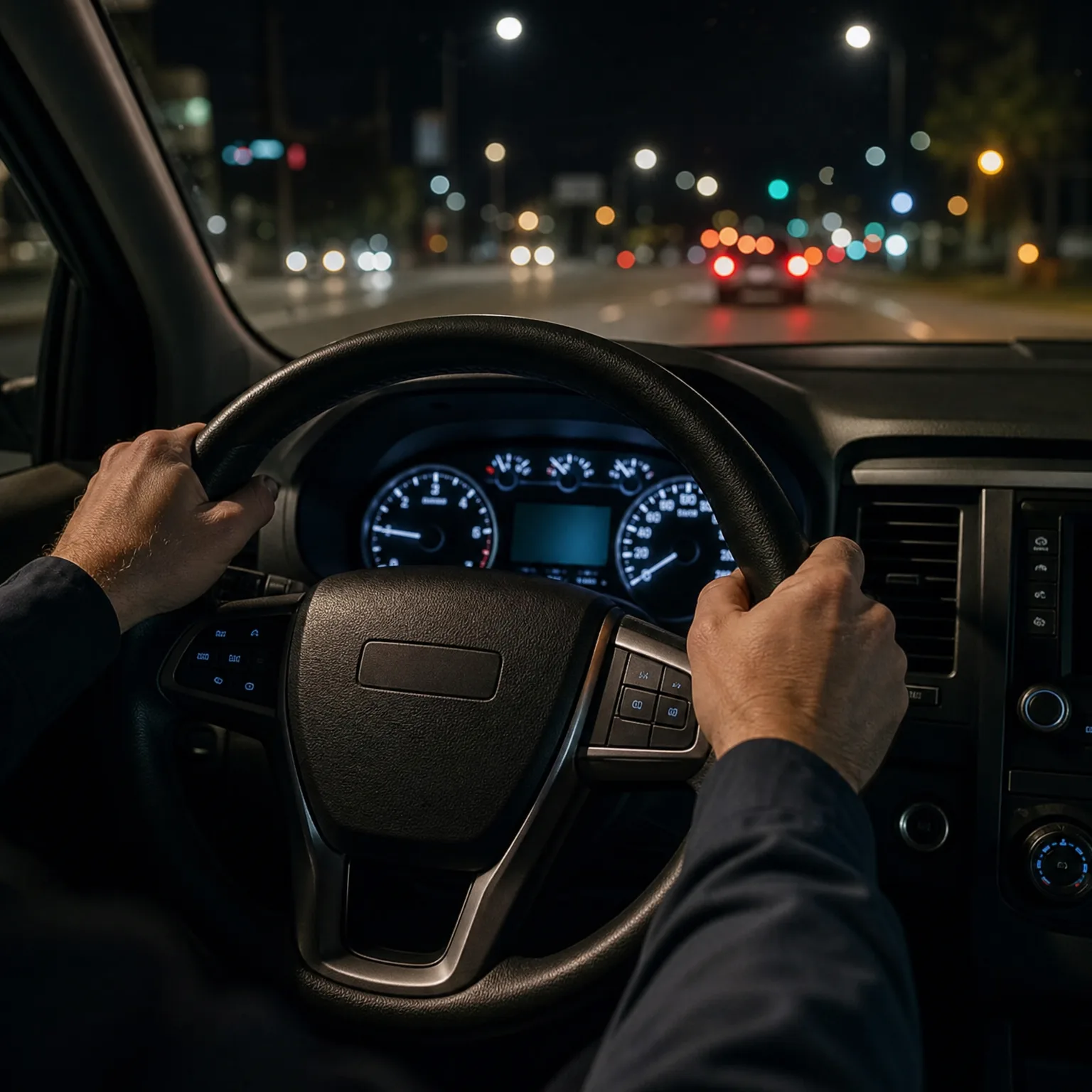


The Broker Step Most Drivers Skip
Comparison sites generate quotes from standard-tier carriers who will decline the application once they pull your Colorado driving record and see two DUI convictions within the lookback window. You waste three days chasing quotes that never convert to coverage. Non-standard carriers do not participate in aggregator tools — you reach them through independent agents who hold appointments with Bristol West, Dairyland, and The General.
The agent handles the underwriting conversation directly with the carrier, confirms your IID installation status, and structures the EFT agreement so the first draft aligns with your reinstatement timeline. This is not an optional step. Persistent drunk driver cases require human underwriting review; no carrier in Colorado will bind coverage online for a second DUI without speaking to the applicant.
Expect the broker conversation to cover: conviction dates for both DUI offenses, current suspension status, IID vendor and installation date, whether you own the vehicle or need non-owner coverage, and your target reinstatement date. The agent uses this information to determine which of the five carriers will accept the risk and at what monthly premium.
$95
Colorado DMV Reinstatement Fee
The base reinstatement fee applies to standard uninsured motorist suspensions. DUI-related reinstatement fees may differ and are set administratively — verify the exact amount with Colorado DMV before submitting payment.
Colorado Division of Motor Vehicles
Non-Owner SR-22 Solves the Vehicle Gap
If you sold your vehicle after the second DUI or cannot afford to maintain a car during the two-year IID period, non-owner SR-22 coverage satisfies Colorado's filing requirement without requiring you to own or insure a specific vehicle. The policy covers you as a driver when operating borrowed or rental vehicles, and the SR-22 endorsement files with DMV exactly the same as a standard policy.
Monthly premiums for non-owner SR-22 after second DUI run $95–$140 through Dairyland, The General, or Progressive. This is the actual zero-down option — first month's premium is the only payment required to bind coverage and trigger the SR-22 filing. The catch: non-owner policies do not cover vehicles you own, live with, or have regular access to. If your spouse owns a car and you share the household, non-owner coverage will not work — you need to be listed as a driver on the household policy with SR-22 endorsement.
Start the Broker Conversation Before IID Installation
Colorado DMV will not issue the Interlock Restricted License until SR-22 is on file, but most carriers will not bind the SR-22 policy until IID is installed. This creates a sequencing problem: you need coverage to get the license, but you need the device in the car to get coverage. The solution is timing the broker conversation to happen during the IID installation appointment window, not after.
Contact a broker who writes Bristol West or Dairyland three business days before your scheduled IID installation. Provide the installation date and vendor name. The broker pre-qualifies you for coverage, structures the quote, and schedules the policy effective date to match installation completion. You authorize the first month's EFT draft, the IID vendor confirms installation, and the broker binds coverage same-day. SR-22 files electronically to Colorado DMV within 24 hours, satisfying the Early Reinstatement requirement without the gap that delays most second-DUI applicants by two weeks.
Which Carriers Write Monthly-Billed SR-22 for Second DUI
Bristol West writes second-DUI cases statewide with monthly EFT and same-day SR-22 electronic filing to Colorado DMV. Quotes require a broker call because underwriting reviews the DUI conviction dates, IID installation confirmation, and current license status before binding. Monthly premiums for liability-only coverage with SR-22 endorsement typically run $210–$265 in metro counties. Bristol West does not offer online quote tools for drivers with two or more alcohol offenses.
Dairyland and The General both write monthly-billed policies for persistent drunk drivers but require proof of IID installation before binding — you cannot get the policy until the device is in the vehicle. Progressive writes second-DUI cases in Colorado but structures payment as bi-monthly (every two weeks) rather than true monthly, which creates confusion at the quote stage. Geico writes SR-22 but declines most second-DUI applicants in Colorado; eligibility depends on time since the second conviction and whether other violations appear on the MVR.
Get Your Free Quote
Get My Colorado DUI Insurance QuoteFrequently Asked Questions
Can I get SR-22 insurance in Colorado without paying a deposit?
Yes, but only through non-standard carriers writing month-to-month policies with automatic EFT draft. The first month's premium ($95–$280 depending on coverage type and county) is due at binding — this is not a deposit, it is the actual charge for month one. Bristol West, Dairyland, The General, and Progressive write these policies for second-DUI cases in Colorado.
Do I need to own a car to get SR-22 after a second DUI in Colorado?
No. Non-owner SR-22 policies satisfy Colorado's filing requirement without requiring you to own or insure a specific vehicle. Monthly premiums run $95–$140. The policy covers you when driving borrowed or rental vehicles but does not cover vehicles you own, live with, or have regular access to.
How long does SR-22 filing last after a second DUI in Colorado?
Colorado requires SR-22 filing for 3 years after a DUI conviction, measured from the conviction date. For persistent drunk drivers (two or more offenses), the filing period runs concurrently with the mandatory two-year IID requirement. Any lapse in coverage during the required period triggers a new suspension.
Can I buy SR-22 insurance online after a second DUI in Colorado?
No. Non-standard carriers who write persistent drunk driver cases require broker contact and human underwriting review before binding coverage. Comparison sites generate quotes from standard-tier carriers who will decline the application once they see two DUI convictions on your Colorado driving record.
What happens if I miss a monthly SR-22 payment in Colorado?
The carrier cancels the policy for non-payment and files an SR-26 notice with Colorado DMV within 10 days. DMV suspends your Interlock Restricted License immediately. Reinstatement requires paying the past-due premium, securing new SR-22 coverage, paying a $95 reinstatement fee, and restarting the clock on your filing period.