Non-Owner SR-22 Insurance After a DUI — Colorado
Free to compare
The Non-Owner SR-22 Gap After a Colorado DUI
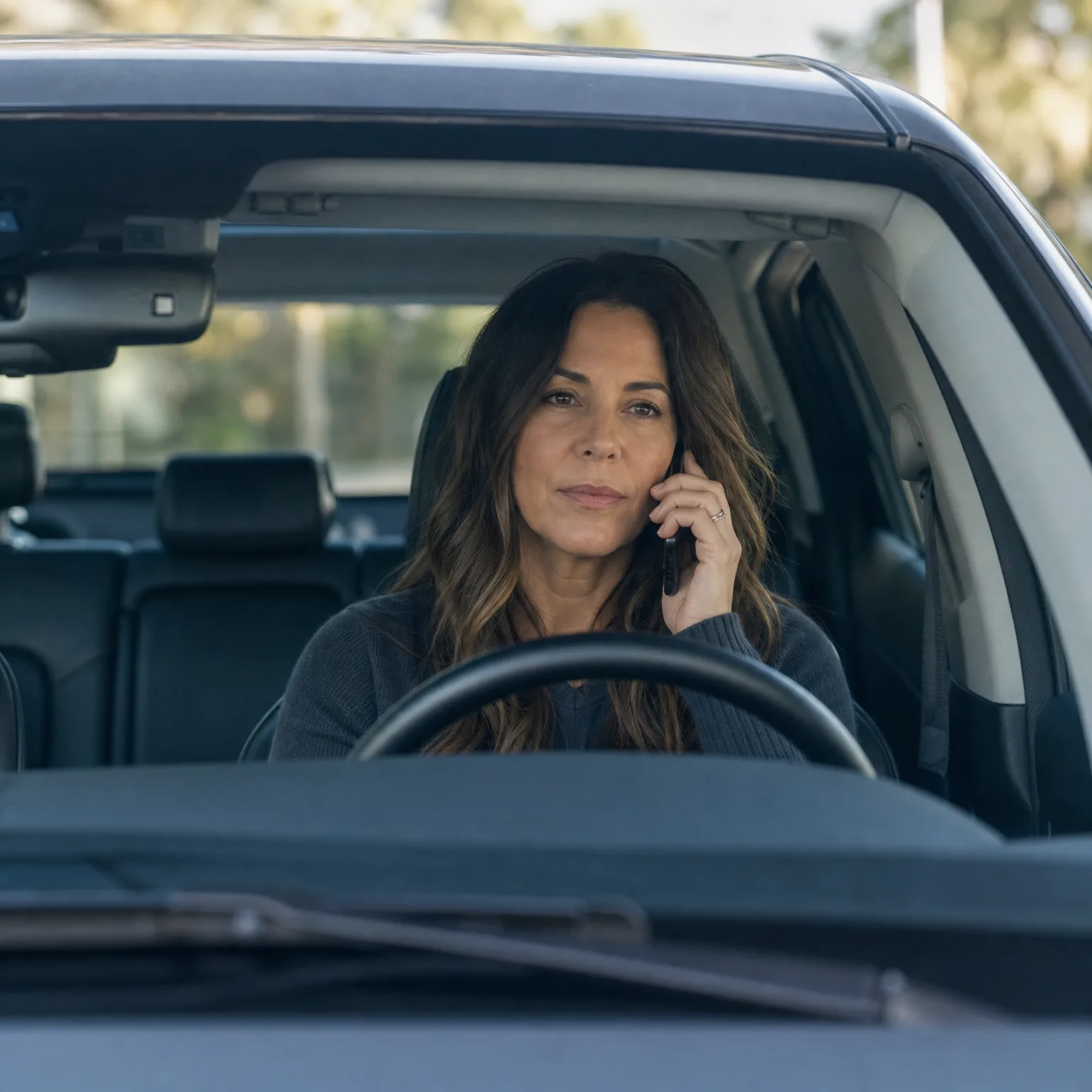
You lost your license after a Colorado DUI. You sold your car — or never had one — because driving wasn't an option anyway. Now you're applying for Early Reinstatement with an Interlock Restricted License and the DMV requires proof of SR-22 filing before they'll approve ignition interlock installation. You call your old carrier and they tell you SR-22 requires an active vehicle registration. You don't have a vehicle to insure. The application stalls.
This is the non-owner SR-22 procedural gap. Colorado's Early Reinstatement pathway under C.R.S. § 42-2-132.5 requires SR-22 filing as a condition of approval — but the DMV does not differentiate between vehicle owners and non-owners in that requirement. If you don't own a car, you need a non-owner SR-22 policy: liability coverage without a registered vehicle that satisfies the state's filing mandate. Most carriers don't advertise it. Many drivers don't know it exists until their hardship application gets denied for missing insurance proof.
“Colorado won't approve Early Reinstatement until SR-22 filing shows active — non-owner policies satisfy this identically to standard auto coverage.”
See Who Insures Colorado Drivers After a DUI
Get My Colorado DUI Insurance Quote$95
Colorado Reinstatement Base Fee
This is the administrative fee to restore driving privileges after completing suspension requirements — separate from SR-22 insurance premiums. DUI-related reinstatements often carry additional fees for ignition interlock program enrollment and monitoring.
Colorado DMV reinstatement fee schedule
Why Colorado Requires SR-22 Without a Vehicle
SR-22 is not insurance. It is a liability certification filed electronically by your carrier directly to the Colorado Division of Motor Vehicles confirming you carry at least the state's minimum liability limits: $25,000 bodily injury per person, $50,000 per accident, and $15,000 property damage. The filing itself is a compliance mechanism. Colorado requires it for three years after DUI-related suspensions, measured from the date you begin the SR-22 filing period — not the conviction date.
The state does not care whether you own a car. The requirement exists because a DUI demonstrates high-risk behavior. Colorado ties reinstatement to proof that if you do drive — in a borrowed car, a rental, or a vehicle you later purchase — you will carry liability coverage. Non-owner SR-22 policies provide exactly that proof. They cover liability when you drive a vehicle you don't own, and the carrier files the SR-22 certificate with the DMV just as they would for a standard policy.
If you let the policy lapse at any point during the three-year requirement, the carrier notifies the DMV electronically and your driving privileges suspend again immediately. There is no grace period. Colorado's electronic insurance verification system processes cancellations in near real-time through the Colorado Insurance Identification Database.
Colorado DMV will not approve Early Reinstatement until SR-22 filing shows active in their system — non-owner policies satisfy this requirement identically to standard auto policies.


Early Reinstatement and the Ignition Interlock Requirement
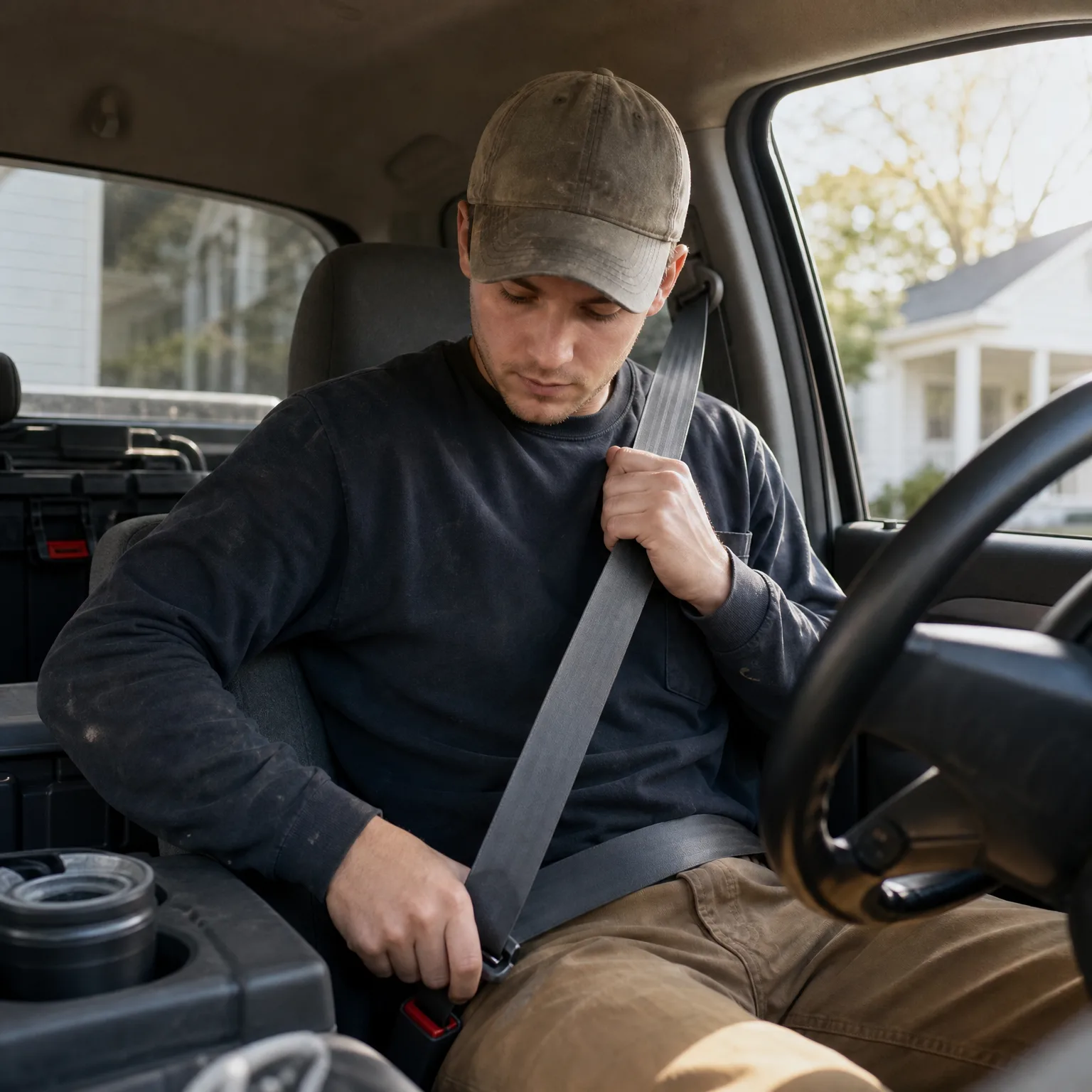
Colorado's Early Reinstatement program allows DUI-suspended drivers to regain limited driving privileges by installing an approved ignition interlock device. For first-offense DUI, there is no mandatory hard suspension period before IID-based reinstatement becomes available — you can apply as soon as your administrative suspension begins, provided you meet all conditions. One of those conditions is active SR-22 filing. The DMV will not approve your IID installation until the SR-22 shows in their system.
If you don't own a vehicle, you face a catch-22: the IID must be installed in the car you'll be driving, but you can't get approval without SR-22, and you can't get SR-22 without a policy. Non-owner SR-22 breaks this loop. You secure the non-owner policy first, the carrier files the SR-22, and then you arrange IID installation in the vehicle you'll use — typically a family member's car with their written consent. The Interlock Restricted License ties to the specific VIN where the device is installed. If you later drive a different vehicle, that vehicle must also have an approved IID installed or you violate the restriction and your license revokes immediately.
Drivers designated as persistent drunk drivers under Colorado law — those with two or more DUI or DWAI offenses — face a mandatory two-year IID requirement and stricter conditions. The non-owner SR-22 pathway works identically, but the IID period is longer and violations carry harsher consequences, including felony charges in some cases.
3 years
Colorado SR-22 Filing Period After DUI
The filing period begins when your policy activates, not when the DUI conviction finalizes. If the policy lapses for any reason during this window, the DMV suspends your license again and the clock resets from zero when you refile.
C.R.S. § 42-2-132 (SR-22 proof of financial responsibility)

What Happens If You Miss the SR-22 Window
The most common failure mode: drivers assume they can let the non-owner policy lapse once they're reinstated because they still don't own a car. Colorado does not allow this. The three-year SR-22 requirement runs concurrently with your driving privileges. If you cancel the policy or it lapses for non-payment, the carrier notifies the DMV electronically and your Interlock Restricted License suspends within days. You do not receive advance warning beyond the standard policy cancellation notice from your carrier.
Reinstatement after an SR-22 lapse requires starting the entire process again: new SR-22 filing, payment of the $95 reinstatement fee, proof of continuous coverage for the lapse period if the DMV requires it, and in some cases a new Early Reinstatement application. The three-year clock resets from the date of the new filing, not from your original filing date. A 30-day lapse can add years to your compliance period.
Getting a Non-Owner SR-22 Policy in Colorado
Start by identifying carriers that write non-owner SR-22 for DUI-suspended drivers in Colorado. Progressive, GEICO, The General, Dairyland, and Bristol West all offer this product. Not all agents within these carriers understand non-owner policies — if the first agent tells you it's not available, call the main customer service line and ask specifically for non-owner SR-22 after a DUI suspension. Online quote tools often do not surface non-owner options; phone quotes work better.
You'll need your driver's license number, the suspension notice from Colorado DMV showing the SR-22 requirement, and details about the DUI conviction including the date and county. The carrier will verify your suspension status and generate a quote. Once you bind the policy and pay the first premium, the carrier files the SR-22 electronically with the DMV. Request a copy of the filing confirmation — you'll need it for your Early Reinstatement application. If you're also applying for ignition interlock approval, coordinate the SR-22 filing before scheduling IID installation; the DMV checks for active SR-22 before approving the device.
Compare at least three carriers. Non-owner SR-22 premiums vary significantly by carrier risk appetite. GEICO and Progressive often quote competitively for non-owner policies, but acceptance depends on how long ago the DUI occurred and whether you have additional violations. Dairyland, Bristol West, and The General specialize in high-risk drivers and may accept cases other carriers decline, though premiums typically run higher.
How Non-Owner SR-22 Works in Colorado
A non-owner policy provides liability-only coverage when you drive a car you don't own: a friend's vehicle, a rental, or a borrowed work truck. It does not cover a vehicle registered in your name — if you later buy or register a car, you must convert to a standard policy with SR-22 endorsement. The carrier files the SR-22 certificate with Colorado DMV as soon as the policy becomes active, typically within 24 hours. You receive a copy of the filing confirmation; bring that document to your Early Reinstatement application along with proof of ignition interlock installation if your suspension requires it.
Premiums for non-owner SR-22 after a DUI in Colorado typically range from $40 to $90 per month, significantly lower than standard post-DUI auto policies because the carrier assumes less risk — you're not insuring a specific vehicle and collision or comprehensive coverage is not included. The SR-22 endorsement itself adds $15 to $35 to your premium depending on the carrier. Not all carriers write non-owner policies. In Colorado, Progressive, GEICO, Dairyland, The General, and Bristol West write non-owner SR-22 coverage for DUI-suspended drivers. USAA writes it for eligible military members.
Get Your Free Quote
Get My Colorado DUI Insurance QuoteFrequently Asked Questions
Can I get SR-22 in Colorado without owning a car?
Yes. Non-owner SR-22 policies provide liability coverage when you drive vehicles you don't own and satisfy Colorado's filing requirement for DUI-related suspensions. Progressive, GEICO, Dairyland, The General, and Bristol West write this coverage in Colorado.
How much does non-owner SR-22 insurance cost in Colorado after a DUI?
Typical premiums range from $40 to $90 per month depending on the carrier, how long ago the DUI occurred, and whether you have additional violations. The SR-22 filing endorsement adds $15 to $35 per month on top of the base non-owner policy premium.
Do I need non-owner SR-22 if I'm not driving at all in Colorado?
If Colorado DMV required SR-22 as a condition of reinstatement, you must maintain it for the full three-year period even if you're not actively driving. Letting the policy lapse triggers immediate license suspension and resets the filing clock.
Can I switch from non-owner SR-22 to regular insurance if I buy a car in Colorado?
Yes, but you must notify your carrier immediately when you register a vehicle in your name. Non-owner policies do not cover vehicles you own. Your carrier will convert you to a standard auto policy with SR-22 endorsement so the filing remains continuous.
Does non-owner SR-22 cover me in a rental car in Colorado?
Yes. Non-owner liability policies provide coverage when you drive rental cars or any vehicle you don't own. However, non-owner policies do not include collision or comprehensive coverage — you'll need to purchase the rental company's damage waiver if you want physical damage protection.
How long does it take for Colorado DMV to see my SR-22 filing?
Carriers file SR-22 certificates electronically with Colorado DMV, typically within 24 hours of policy activation. The filing shows in the DMV's system within 1 to 3 business days. Request a copy of the filing confirmation from your carrier as proof for your reinstatement application.